
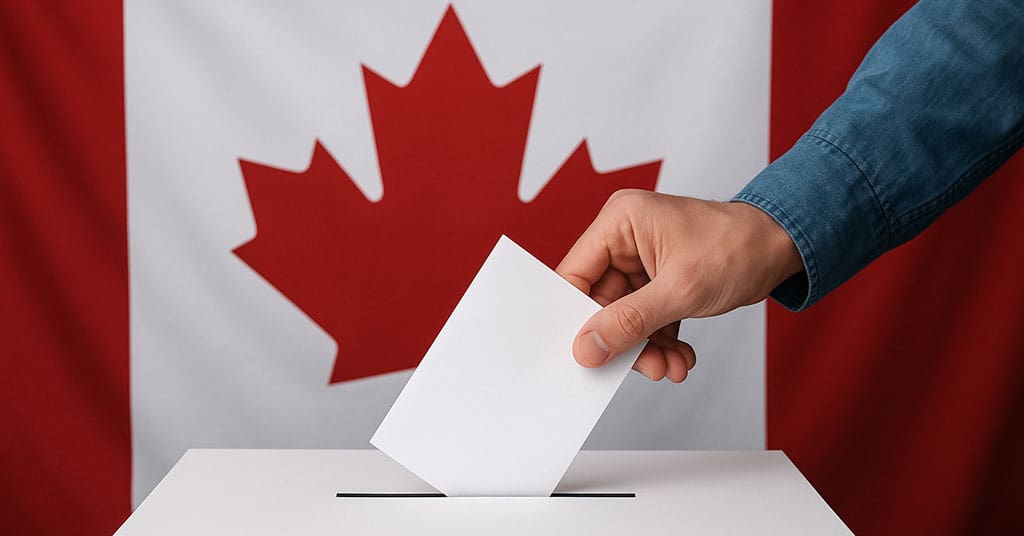
Cross the floor if you want but be prepared to defend that choice at the ballot box
Matt Jeneroux’s decision on Feb. 18 to join the Liberals brings into sharp focus a simple question: when an MP changes parties, does the mandate voters granted still stand?
Five opposition MPs have now crossed the floor to join the Carney government since last spring’s federal election: Conservatives Chris d’Entremont in November and Michael Ma in December of last year, Matt Jeneroux in February, NDP MP Lori Idlout in March and Marilyn Gladu in April of this year.
These defections have brought the Liberals to within a single seat of a majority government, with three byelections scheduled for April 13. That Gladu herself told a local news outlet in January 2026 that floor crossers “deserve a chance to have a redo” from voters (only to cross the floor weeks later) illustrates precisely the problem this piece addresses.
The current situation has me thinking about loyalty.
In Canada’s parliamentary system, MPs are legally free to change party affiliation without resigning their seat. Canadians elect individual candidates, not parties, and there is no requirement to resign after crossing the floor.
It is true that MPs are representatives, not delegates, bound to vote exactly as their constituents would wish in every instance. But party affiliation is not incidental. It signals a governing philosophy, a legislative direction and a set of promises. When that signal changes, it alters the framework under which voters made their choice.
Whatever the reason for a defection, it has consequences. MPs are elected under a party name, a platform and a set of commitments presented to voters. When that affiliation changes, the mandate changes.
Loyalty in politics is not blind obedience to a leader. MPs must exercise judgment and conscience. But loyalty does mean honouring the commitments made to voters. A party label signals direction and governing philosophy, and constituents vote with that understanding.
Floor crossings are not new in Canadian politics. Belinda Stronach and Joe Comuzzi changed party affiliation during their time in office. But precedent does not eliminate responsibility. Each defection raises the same fundamental question: does the MP still represent what voters chose?
If such moves become routine instruments of political manoeuvring, the public will begin to question what their ballot truly secures. Parliamentary numbers can shift. Platforms can blur. The clarity of election night can dissolve months later. Democracy can withstand disagreement within parties. It weakens when mandates become fluid.
Some argue that MPs who change parties should resign and seek a renewed mandate through a byelection. That principle is sound. In May 1996, Sheila Copps resigned her seat over a policy commitment and recontested it in a byelection, winning again. While she did not switch parties, she recognized that voters deserved the opportunity to decide whether they still endorsed her.
Disagreement within caucus is inevitable. MPs can argue internally, dissent publicly or choose not to run again. Crossing the floor, however, is different. It alters the political identity under which they were elected.
Voters are entitled to clarity and an explanation when that occurs. More importantly, they are entitled to a choice. When party allegiance changes midstream, the only honest remedy is to return to the electorate and seek endorsement under the new banner.
Public trust in institutions is not inexhaustible. When voters believe that outcomes can shift after ballots are cast, cynicism grows. Participation declines. The distance between citizens and Parliament widens. Democratic systems endure because people accept the results of elections. That acceptance depends on the belief that the mandate granted on election day will not be quietly transformed afterward.
Parliamentary democracy runs on trust, not just legal authority. That trust weakens when elected representatives switch partisan allegiance without renewed consent. The remedy is simple: let voters decide.
Michel Maisonneuve is a retired lieutenant-general, a member of the Conservative Party of Canada, a senior fellow at the Frontier Centre for Public Policy and the author of In Defence of Canada: Reflections of a Patriot (2024).
Explore more on Federal politics, Democracy, Liberal Party, Conservative Party, NDP, Carney government
The views, opinions, and positions expressed by our columnists and contributors are solely their own and do not necessarily reflect those of our publication.
Troy Media empowers Canadian community news outlets by providing independent, insightful analysis and commentary. Our mission is to support local media in helping Canadians stay informed and engaged by delivering reliable content that strengthens community connections and deepens understanding across the country.

